For a long time I thought changing my waistline had to begin with doing more. More exercise. More restriction. More rules. More willpower. Every January I bought the same story and every February I quietly returned it.
What actually shifted things for me was not a new diet. It was watching my father in law try one. He is sixty three, retired, and after his knee replacement his middle grew in a way the rest of him did not. A friend told him it was "cortisol belly" and sold him a supplement. He took it for three months. Nothing changed, except that he felt like he had failed at something he never understood in the first place.
So we went back to the ordinary rhythms of his day instead. When did he move? When did he eat? Was he grazing from breakfast to bedtime? Was he sleeping? Did he ever see daylight before noon, or did every morning begin under a kitchen spotlight with a screen in front of his face?
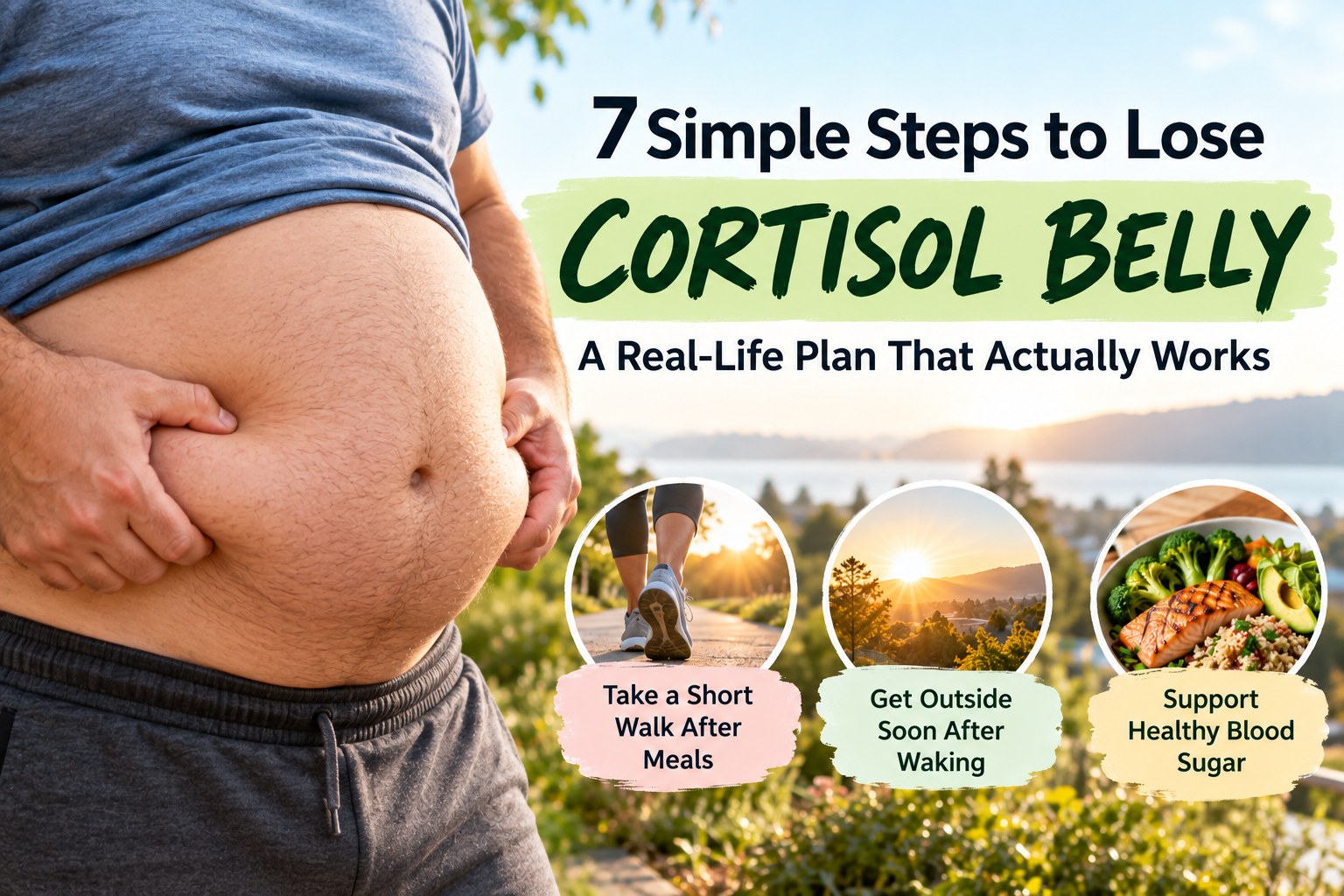
That change of perspective was surprisingly freeing. Seven days is far too short to promise meaningful fat loss, particularly visceral fat. But one week is long enough to practise a handful of habits that may support metabolic health, sleep and a healthier body over time. That is where this routine begins.
First, what is "cortisol belly"?
"Cortisol belly" is a popular phrase rather than a medical diagnosis. People use it to describe increased abdominal fat that they associate with chronic stress and raised cortisol.
There is a genuine connection between the stress system and metabolism. Cortisol helps regulate energy availability, blood glucose, inflammation and the sleep wake cycle. Long term stress and disrupted sleep can also influence appetite, food choices and metabolic health.
But a larger waist does not automatically mean cortisol is the cause. Abdominal weight gain has many contributing factors: genetics, age, menopause and other hormonal changes, medications, diet, activity levels, sleep, alcohol and underlying health conditions. Visceral fat also cannot be diagnosed by pinching your stomach or staring at the mirror. If you want a rough starting number instead of a guess, the BMI calculator gives you a baseline, and waist measurement adds more than weight alone.
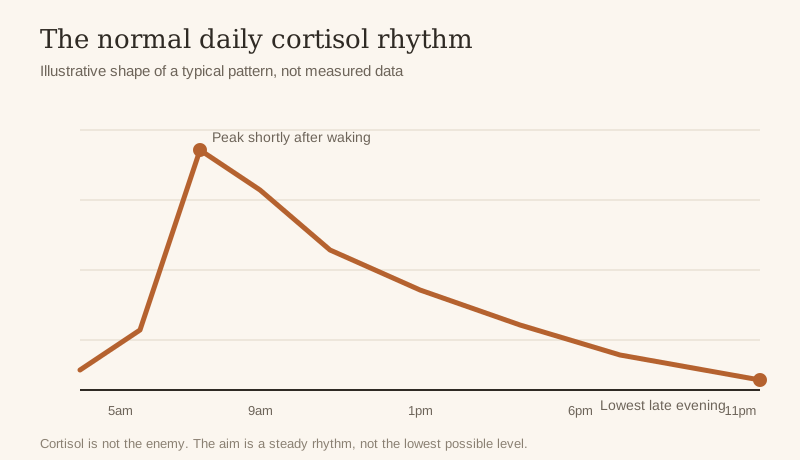
So the goal of this week is not to diagnose anyone's belly. It is to build seven days around habits that support overall health and that you could realistically continue past Sunday.
Day 1: Walk after your meals
We started with the simplest change of the whole week. After you eat, you move. Not an exhausting workout. Not a punishing treadmill session. A short, comfortable walk of roughly 10 to 15 minutes when it fits the day.
There is something wonderfully manageable about this. You do not need an hour, special clothes or equipment. You finish eating and you get onto your feet.
The reason post meal movement is interesting is that working muscles can take up glucose, so gentle activity after eating may help moderate the rise in blood glucose after a meal. Timing is useful, but it is not all or nothing. A walk later in the day is still physical activity and still carries health benefits.
And when you cannot get outside? Walk round the office, pace the house, take the stairs, or simply spend a few minutes moving rather than sitting down straight away. My father in law did laps of his own hallway in slippers. It counted.
Day one habit: a comfortable 10 to 15 minute walk after one or more meals.
Day 2: Get outside in the morning
The next morning, resist making your phone the first bright thing your eyes see. Go outside instead. Sometimes that is a short walk. Sometimes it is drinking your coffee on the step in a coat.
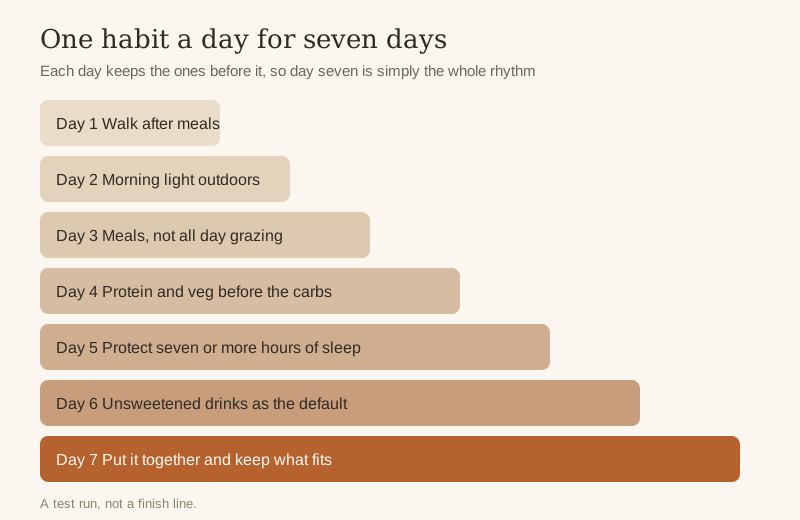
What matters is giving your body a clear signal that daytime has begun. Light is one of the main environmental cues that helps set the circadian rhythm, the internal system involved in the timing of sleep, wakefulness and many hormonal processes. Cortisol itself normally follows a daily rhythm, typically higher around waking and lower later in the day.
That distinction matters. Cortisol is not an enemy to be eliminated. We need it. The aim is supporting a healthy daily rhythm, not driving a hormone as low as possible.
Morning outdoor light is also far brighter than typical indoor lighting, even on a grey day that looks like nothing.
Day two habit: roughly 10 to 20 minutes outdoors in the morning when practical, following sensible sun safety guidance.
Day 3: Give your eating day a beginning and an end
This was the habit that exposed how often food happened without a decision. A proper breakfast. A coffee with milk. A handful of nuts. A cracker while making lunch. A taste while cooking dinner. Something sweet afterwards.
None of those moments looked significant on its own, but together they stretched eating across almost every waking hour.
So rather than changing every food on the plate, make meals more deliberate. Eat your meals, and reduce the mindless grazing between them. Give the overnight gap a clear beginning and end too. For some people a roughly 12 hour overnight break from food is a practical starting point. More aggressive fasting is not necessary for everyone, and is not appropriate for some people at all.
That last point is not a footnote. Anyone who is pregnant or breastfeeding, has diabetes or takes glucose lowering medication, has a history of an eating disorder, is underweight, is a child or adolescent, or has certain medical conditions should speak with an appropriate healthcare professional before deliberately restricting their eating window.
Day three habit: intentional meals, less habitual grazing, and where appropriate a consistent overnight break from eating.
Day 4: Change the order of your plate
By day four you finally change something at mealtime, and still nothing is banned. You change the order.
When the meal allows it, begin with vegetables and a source of protein before moving on to the carbohydrate rich foods. Salad and chicken before the rice. Vegetables and fish before the potatoes. Meatballs and greens before the pasta.
Why bother? Small studies suggest that eating protein and fibre rich foods before carbohydrates can reduce the post meal glucose rise in some people. It is an interesting strategy rather than a universal prescription, and not everyone will see the same effect.
The bigger lesson is simpler: build meals around protein, fibre and actual nourishment rather than letting refined carbohydrates be the centre of every plate. Protein also matters for holding on to muscle, particularly as we get older or while losing weight. Needs vary with body size, age, activity level and health, so there is no single gram target that fits everybody.
Day four habit: a meaningful source of protein and fibre in your meals and, where convenient, those foods before the carbohydrate portion.
Day 5: Protect sleep instead of treating it as optional
This is the part almost everyone underestimates. You can pay careful attention to food all day, still stay up too late, wake exhausted, and then wonder why every healthy choice feels impossible by three in the afternoon.
Sleep affects far more than tiredness. Insufficient sleep can influence appetite, food intake, glucose regulation, stress and metabolic health. So stop treating it as the thing you get to once everything else is finished, and start protecting it.
For most adults that means aiming for around seven or more hours regularly, although individual needs vary. Finishing dinner a few hours before bed helps too when the schedule allows. It is more comfortable than going to bed on a full stomach, and it gives the evening a natural stopping point.
Be careful, though, about explaining every night waking as a cortisol or blood sugar problem. Waking in the night has many possible causes, from stress and alcohol to sleep apnoea, menopause, medication effects and the bedroom itself. Persistent sleep problems deserve proper assessment rather than self diagnosis from a video.
Day five habit: give yourself enough opportunity to sleep, and keep large late night meals out of the normal routine.
Day 6: Stop drinking your sugar
Day six tackles the habit that is easy to miss because it arrives in a glass rather than on a plate. Soft drinks, sweetened coffees, energy drinks, sweet tea, sports drinks and many juice drinks can add a surprising amount of sugar and calories without the fullness that food provides.
So simplify. Water becomes the default. Sparkling water, unsweetened tea and coffee are all fair game depending on preference and circumstances.
This is not a punishment. That afternoon sweet drink is often attached to a break from work, a familiar cafe, a bit of comfort, or simply years of routine. Habits have emotional lives as well as nutritional ones. Instead of fighting the ritual, keep the pause and change what is in the cup.
Day six habit: unsweetened drinks as the everyday default, sugary drinks occasional rather than automatic.
Day 7: Put the pieces together
By the seventh day nothing feels dramatic. That is exactly the point. The day looks like this: wake and get outside for a little morning light. Eat a satisfying breakfast with protein. Walk for 10 or 15 minutes afterwards if you can. At lunch include vegetables and protein, then take another short walk. Eat dinner early enough that you are not going to bed on top of it. Choose water instead of a sugary drink. Then give yourself a real opportunity to sleep.
No detox. No supplement stack. No attempt to hack a hormone. Just a set of ordinary behaviours pointing in the same direction.
What to actually expect after seven days
This is where expectations matter. Do not expect a week to melt visceral fat. Do not promise yourself a smaller waist. And do not treat a move on the bathroom scale as proof that you have fixed your cortisol.
Body weight can shift quickly because of water, glycogen, digestive contents and sodium. Real fat loss is a much longer process.
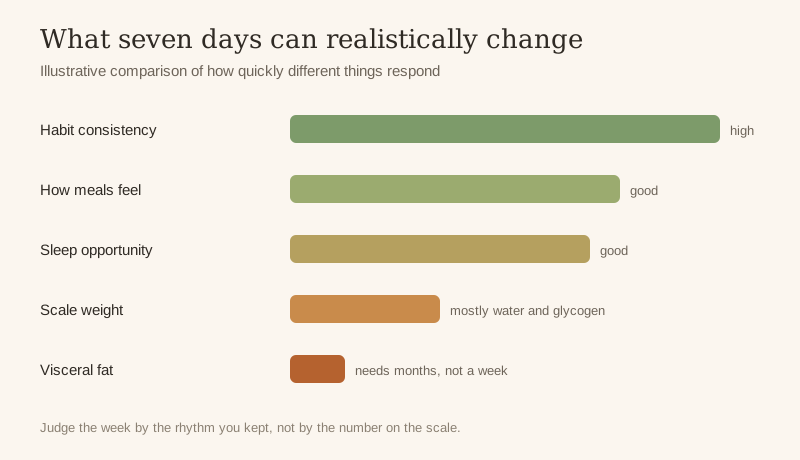
After one week, ask different questions instead.
- Do I feel better after meals?
- Am I moving more consistently?
- Am I grazing less?
- Am I getting outside in the morning?
- Are sugary drinks becoming less automatic?
- Am I giving myself enough time to sleep?
- Could I realistically keep doing this?
Because the seventh day is not the finish line. It is a test run.
The seven day routine at a glance
| Day | Habit | Why it may help |
|---|---|---|
| 1 | Walk 10 to 15 minutes after meals | Working muscles take up glucose after eating |
| 2 | 10 to 20 minutes of morning daylight | Light is a main cue for the circadian rhythm |
| 3 | Meals, not all day grazing | Gives the eating day a start and a finish |
| 4 | Protein and fibre before carbohydrates | May blunt the post meal glucose rise |
| 5 | Seven or more hours of sleep opportunity | Short sleep affects appetite and glucose control |
| 6 | Unsweetened drinks as default | Removes sugar that does not bring fullness |
| 7 | Combine and keep what fits | Sustainability beats intensity |
The bigger lesson from the week
The most useful thing here is that health does not always begin with taking something away. Sometimes it begins with timing. A walk after lunch. Morning light before a screen filled day. A proper meal instead of grazing from dawn to bedtime. Protein and vegetables taking a more prominent place on the plate. Dinner followed by an actual end to eating. Sleep treated as part of health rather than time stolen from everything else.
None of those habits guarantees weight loss, and none can diagnose or treat a cortisol disorder. Together they create a daily rhythm that supports movement, nutrition, sleep and metabolic health. That feels far more sustainable than declaring war on your own stomach.
A quick note about cortisol and abdominal weight gain
If you develop rapid or unexplained abdominal weight gain, significant muscle weakness, unusual bruising, persistent high blood pressure, major menstrual changes, new wide purple stretch marks or other concerning symptoms, do not assume it is "cortisol belly" and try to solve it with a lifestyle challenge.
Abnormally high cortisol can occur with medical conditions such as Cushing syndrome, and can also be linked to certain medications. Those situations need medical assessment. Likewise, anyone managing diabetes, another metabolic condition, or medications affected by changes in food intake should get personalised advice before making substantial changes to meal timing or fasting.
Read next
- Obesity diet and exercise plan: foods to eat and safe workouts
- How to prevent obesity: causes and what actually works
- Liver disease diet and exercise plan
- BMI calculator with Asian and Black thresholds
Frequently asked questions
Is cortisol belly a real medical condition?
No. It is a popular phrase, not a diagnosis. Chronic stress and poor sleep can genuinely affect appetite, glucose regulation and metabolic health, but abdominal weight gain has many other causes and cannot be attributed to cortisol by appearance alone.
Can I lose belly fat in 7 days?
Not meaningfully. Scale weight can move quickly because of water, glycogen and digestive contents, but visceral fat loss takes months of consistent habits. Use the week to build a rhythm you can keep.
Does walking after meals really help?
Working muscles take up glucose, so gentle movement after eating may moderate the post meal glucose rise. A walk at any time of day still counts as valuable physical activity.
Do I need to fast to reduce cortisol belly?
No. A roughly 12 hour overnight break from eating suits many people, but longer fasting is unnecessary for most and unsuitable for some, including people who are pregnant, have diabetes or have a history of an eating disorder.
How much sleep should I aim for?
Most adults do best with around seven or more hours regularly, though needs vary. Persistent sleep problems deserve proper medical assessment rather than self diagnosis.
Medical disclaimer: this article is general educational information and not a diagnosis, medical advice or an individual treatment plan. Speak with a qualified healthcare professional about your own circumstances, especially before changing meal timing, fasting or medication routines.