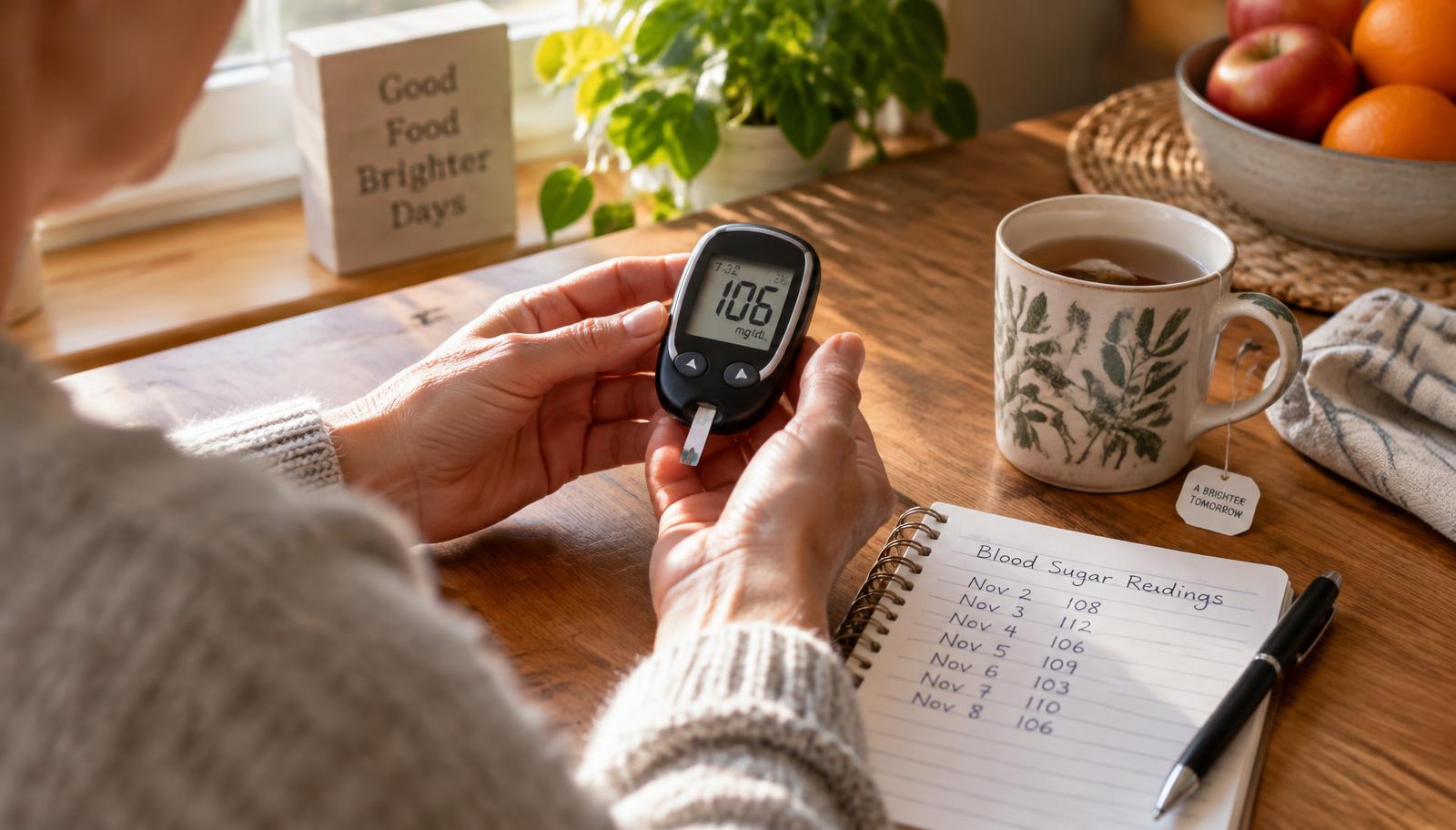
I want to start with the least impressive success story I know. A reader emailed me about her mother, seventy one, recently diagnosed, who refused to join a gym and refused to buy leggings. Her entire programme was this: after dinner, she walked to the postbox at the end of the road and back. Four minutes. Every night. Three months later her fasting glucose had dropped enough that her GP asked what she had changed, and she said, with enormous dignity, "nothing really".
That is the honest shape of exercise for diabetes. Not transformation. Repetition.
Why exercise works so fast
When you contract a muscle, it pulls glucose out of the blood using a pathway that does not need insulin at all. That is why activity lowers blood sugar in people whose insulin signalling is impaired. The effect on insulin sensitivity lasts roughly 24 to 72 hours after a session, which explains the standard advice never to go more than two days without moving.
The American Diabetes Association's Standards of Care recommend at least 150 minutes a week of moderate to vigorous aerobic activity spread over at least three days, two to three resistance sessions a week, and breaking up sitting every 30 minutes (ADA Standards of Care in Diabetes, 2025). Those are targets, not entry requirements.
The rankings: what does most for your glucose
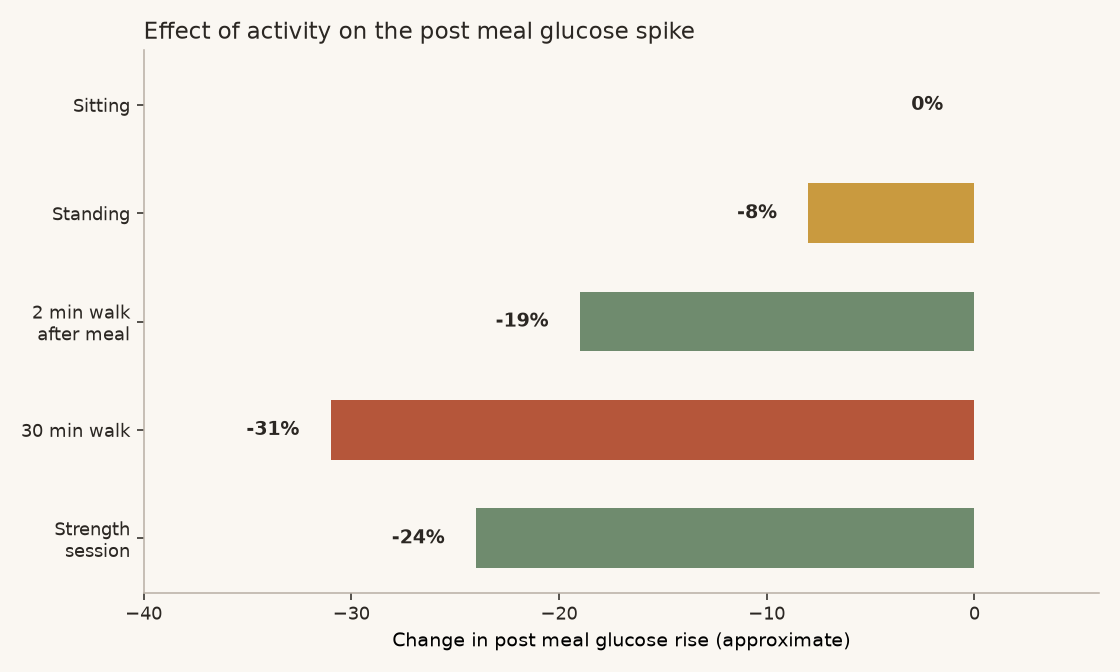
1. Walking for two to five minutes after meals
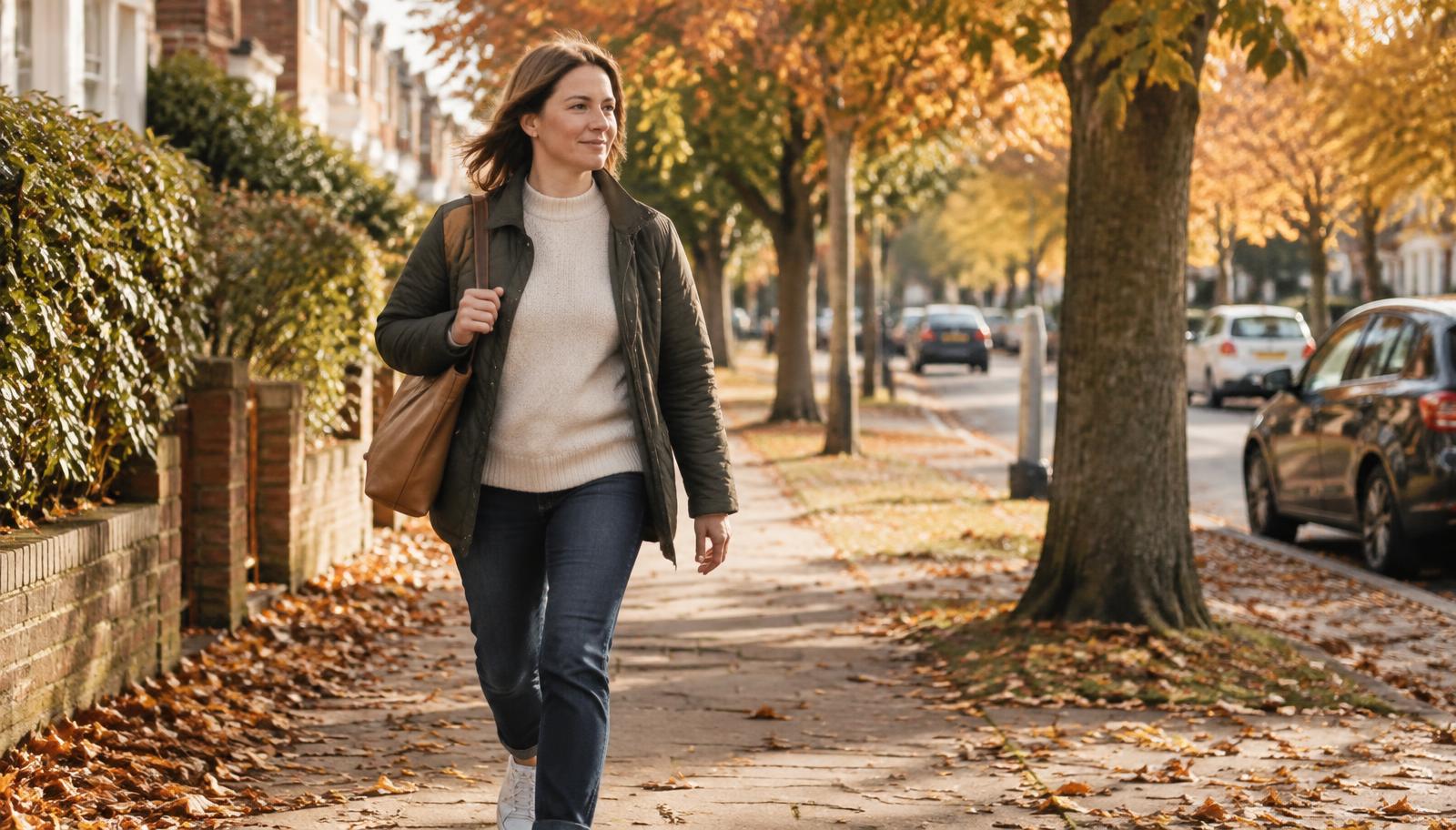
This is the highest return per minute in the whole of exercise science. A 2022 meta analysis in Sports Medicine compared sitting, standing and short light walking breaks, and found that brief walking bouts significantly reduced post meal glucose and insulin compared with both alternatives (Buffey et al., Sports Medicine, 2022). Standing helped a little. Walking helped a lot. Two minutes is enough to matter.
2. Resistance training, twice a week
Skeletal muscle is the largest glucose sink in the body. Building it increases your capacity to absorb a meal. Resistance training lowers HbA1c independently of weight loss, and it protects against the muscle loss that comes with both ageing and rapid weight loss. Two sessions a week of six to eight compound movements is plenty. Bands and body weight count.
3. Steady aerobic work
Brisk walking, cycling, swimming, dancing. This is where cardiovascular risk reduction lives, and cardiovascular disease is what actually kills most people with type 2 diabetes. Thirty minutes, five days a week, at a pace where you can talk but not sing.
4. Interval work, if you like it
Short bursts of harder effort improve fitness efficiently and can improve glucose control. It is not superior enough to justify forcing yourself if you hate it, and hating your exercise is the single best predictor of stopping.
A week that actually fits in a life
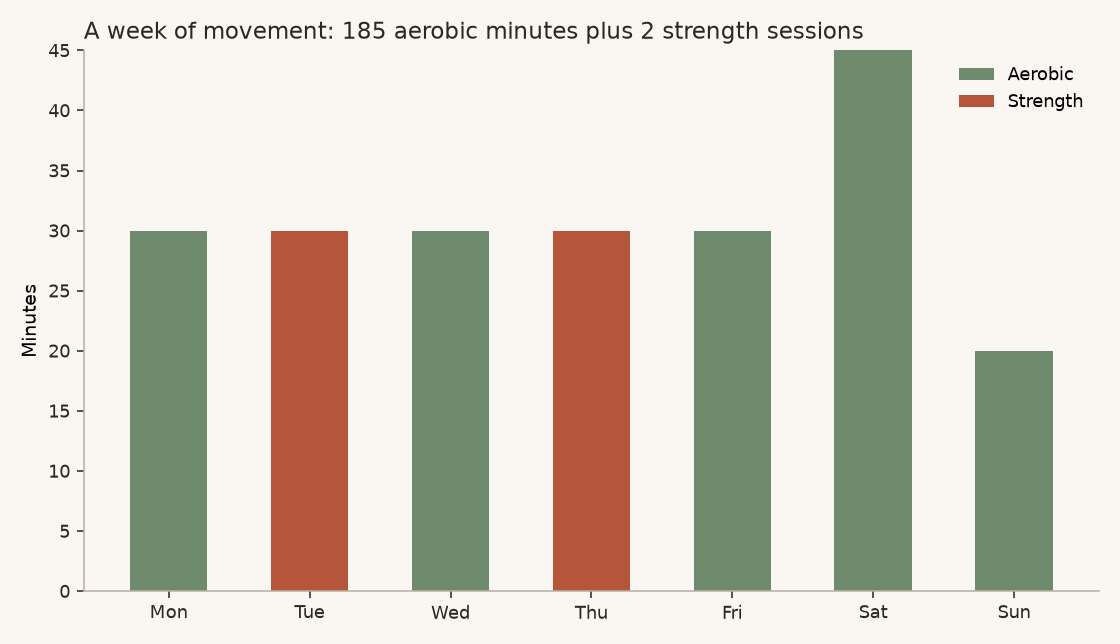
| Day | Session | Time |
|---|---|---|
| Monday | Brisk walk, plus post dinner walk | 30 min |
| Tuesday | Full body strength: squat, hinge, push, pull, carry | 30 min |
| Wednesday | Brisk walk or cycle | 30 min |
| Thursday | Full body strength, slightly heavier | 30 min |
| Friday | Brisk walk | 30 min |
| Saturday | Something you enjoy: hills, swimming, a long walk | 45 min |
| Sunday | Easy movement, mobility, garden | 20 min |
Timing: before or after eating?
For blood sugar specifically, after. Glucose peaks roughly 60 to 90 minutes after a meal, so moving in the 15 to 45 minute window after eating shaves the top off the curve. If you take insulin or a sulfonylurea, the calculus changes, because exercise plus those drugs can cause hypoglycaemia. Test before, carry fast acting carbohydrate, and speak to your diabetes team about dose adjustment.
Starting from genuinely nothing
- Week 1. Two minutes of walking after your largest meal. That is the entire task.
- Week 2. Add a second post meal walk. Add one set of ten chair sit to stands.
- Week 3. One ten minute continuous walk somewhere in the day.
- Week 4. Extend to twenty minutes. Add wall press ups and a carry, such as a shopping bag in each hand for sixty seconds.
- Weeks 5 to 8. Build towards the table above. Skipping a day is expected, not a failure.
Safety notes that actually matter
Feet. Neuropathy means you may not feel a blister until it is an ulcer. Check your feet daily, wear properly fitted shoes and seamless socks, and get any wound looked at quickly.
Eyes. If you have proliferative retinopathy, avoid heavy straining and head down positions until an ophthalmologist has cleared you.
Hypos. Symptoms include shaking, sweating, confusion and sudden hunger. Treat with 15 g of fast carbohydrate, wait 15 minutes, retest. Exercise induced hypos can arrive several hours later, including overnight.
Heart. If you have chest pain, unusual breathlessness or you are starting vigorous exercise after years of inactivity with known cardiovascular disease, get assessed first.
How to know it is working
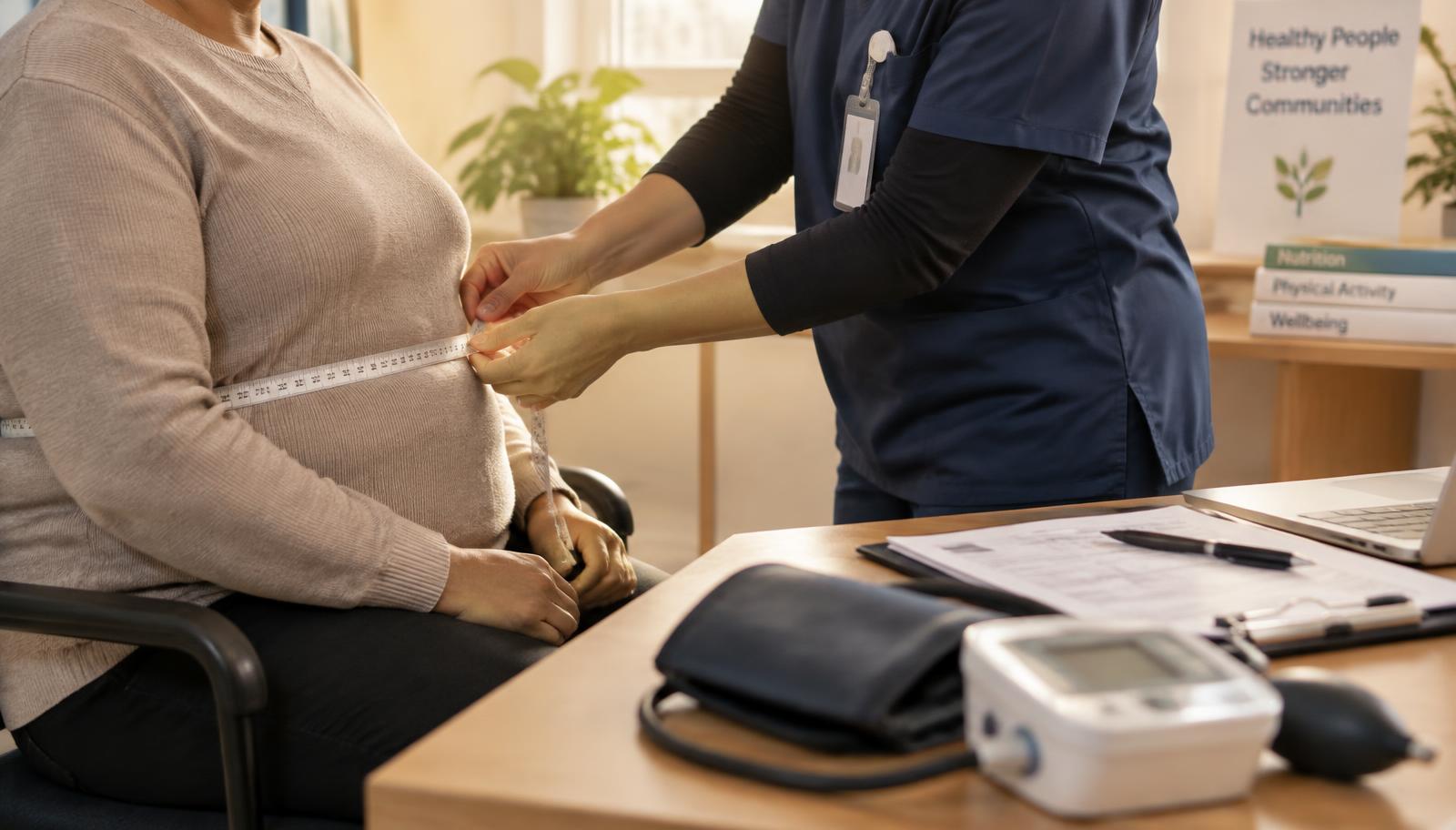
Do not rely on the scales. Exercise builds muscle while it loses fat, and the two can cancel out for weeks. Better markers: your waist measurement, your resting heart rate, how you feel walking up the same hill, your post meal glucose if you test, and your HbA1c at three months. Track your body composition context with the BMI calculator, but read it alongside your waist rather than on its own.
Pair this with the food side in our guide to what to eat with diabetes, and if you are still at the prediabetes stage, the prevention guide covers the whole picture.
One last thing about the postbox
The reason that four minute walk worked was not the four minutes. It was that it was so small she never had to negotiate with herself about it. There was no kit, no travel, no decision. If you are trying to build this and failing, the problem is almost never willpower. It is that you picked something that needs a good day to happen. Pick something that survives a bad one.
Strength training when you have never lifted anything
Most people avoid resistance work because the picture in their head involves a barbell and someone watching. It does not have to. Five movement patterns cover almost everything a body needs, and all five have a version that can be done in a kitchen with no equipment at all.
| Pattern | Beginner version | Progression |
|---|---|---|
| Squat | Sit to stand from a chair | Hold a bag of rice, then two |
| Hinge | Hip hinge to a worktop | Suitcase deadlift with shopping bags |
| Push | Wall press up | Kitchen counter press up, then floor |
| Pull | Resistance band row | Heavier band, then dumbbell row |
| Carry | Walk 30 seconds with one heavy bag | Longer, heavier, both hands |
Two sets of eight to twelve repetitions of each, twice a week, is a complete programme for the first three months. Progress by adding weight or repetitions, not by adding more exercises. The point is muscle, and muscle is where your glucose goes.
If you have a continuous glucose monitor
CGMs have become cheap enough that many people without insulin now wear one for a few weeks out of curiosity. Used well, they are a superb teaching tool, because they make the effect of a post meal walk visible within forty minutes. Used badly, they turn into anxiety.
Three sensible rules. First, run experiments rather than watching the line all day: eat the same meal twice, walk after one and not the other, compare. Second, judge by the area under the curve rather than the peak, since a brief spike that resolves quickly is less meaningful than a long plateau. Third, remember that exercise itself can briefly raise glucose through adrenaline during hard efforts. That is normal and not a reason to stop.
Weight, muscle and the scale illusion
People starting both diet and exercise together frequently see the scales stall for three to six weeks while their clothes get looser. Glycogen stored in newly trained muscle carries water with it, roughly three grams of water per gram of glycogen, and that alone can mask a kilo or two of fat loss. Add genuine muscle gain in the first months and the scale becomes almost useless as a weekly progress measure.
Track the waist instead, monthly, measured at the belly button first thing in the morning. It moves in the direction that matters and it correlates far better with visceral fat than body weight does.
Sources
- Buffey AJ et al. The acute effects of interrupting prolonged sitting with standing and light walking on postprandial glycaemia. Sports Medicine 2022.
- American Diabetes Association. Standards of Care in Diabetes 2025.
- Colberg SR et al. Physical activity/exercise and diabetes: a position statement of the American Diabetes Association. Diabetes Care.
- NHS. Physical activity guidelines for adults.
This article is general information and is not medical advice. If you take insulin or sulfonylureas, discuss exercise and dose adjustment with your diabetes team.